
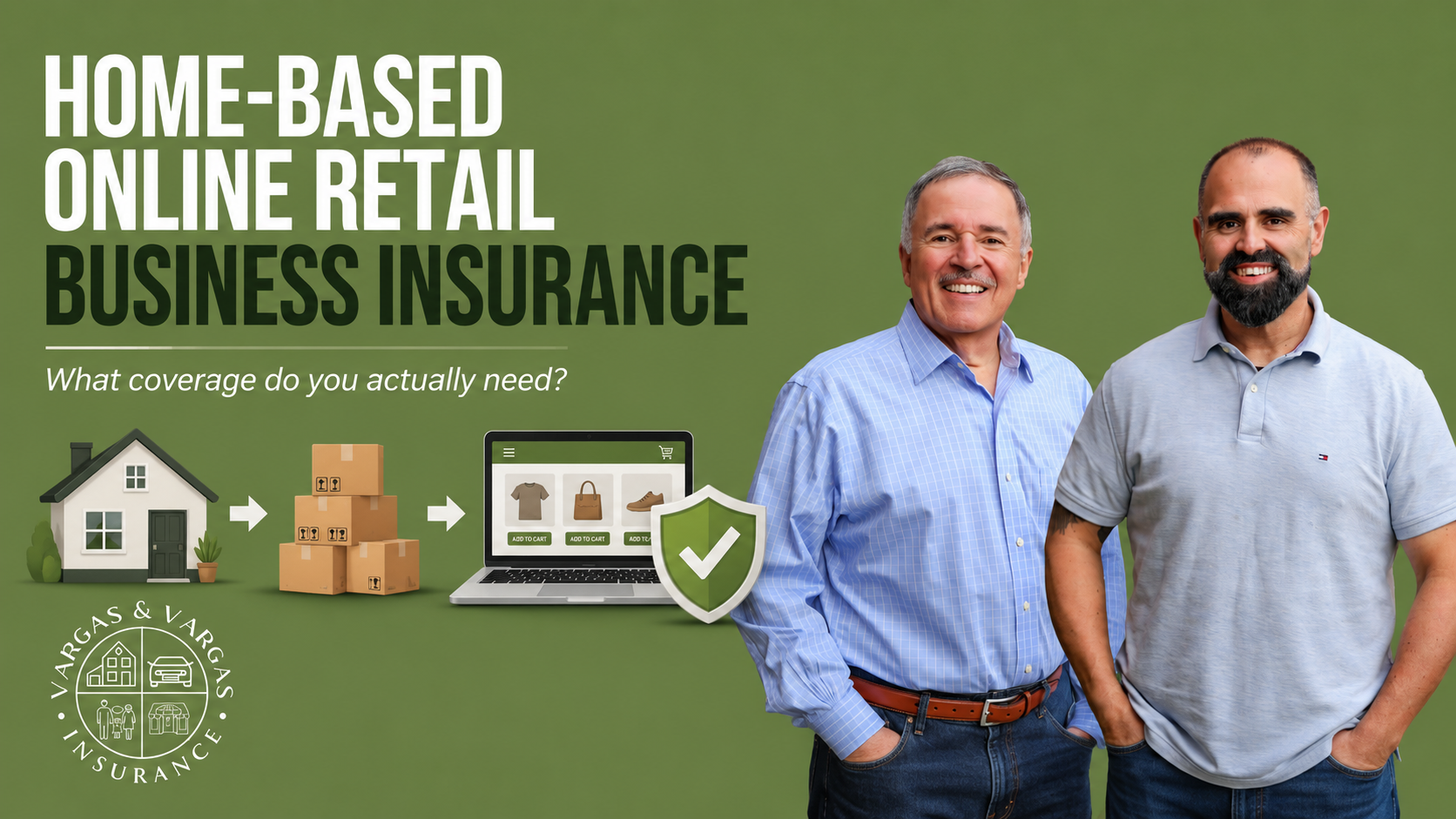
If you’re launching an online retail business from home, your focus is probably on finding suppliers, building your website, and making your first sales. But there’s one critical area many new entrepreneurs overlook: insurance.
A common assumption is that homeowners insurance automatically covers a home-based business. Unfortunately, that’s rarely true. If you store inventory, accept online payments, or sell products that could create liability issues, you may have coverage gaps that put your business—and your personal finances—at risk.
As an agency that works with Massachusetts business owners every day, we’ve helped countless entrepreneurs understand where their homeowners policy stops and where business insurance needs to begin. Here's what every home-based online retailer should know.
Are Home-Based Online Businesses Covered by Homeowners Insurance?
Only partially.
Homeowners insurance is designed to protect your home and personal belongings, not your growing ecommerce business. While some policies provide small allowances for business property, the limits are often shockingly low—sometimes as little as $2,500.
If you store thousands of dollars of product inventory, shipping supplies, electronics, or photography equipment, a standard homeowners policy is unlikely to fully protect you after a fire, theft, or water loss.
Relying solely on homeowners insurance can leave you significantly underinsured.
Why Online Retail Businesses Face Unique Risks
Running an ecommerce business from home creates risks that traditional homeowners insurance isn’t built to handle.
Common exposures include:
- Inventory lost to fire, theft, or water damage
- Liability claims involving products you sell
- Data breaches involving customer information
- Cyberattacks that disrupt operations
- Damage to business equipment
Even if customers never set foot in your home, you still face commercial risks that require commercial coverage.
Three Types of Insurance Every Home-Based Online Retailer Should Consider
1. Business Property Insurance
Business property insurance protects the tools, equipment, and inventory that keep your business running.
This includes:
- Inventory and product stock
- Computers, cameras, and lighting
- Shipping and packaging equipment
- Office furniture and supplies
Homeowners insurance protects your home. Business property insurance protects the things that generate your income.
2. General Liability Insurance
General liability insurance helps protect your business from claims involving:
- Bodily injury
- Property damage
- Product liability
- Advertising injury
- Legal defense costs
If a product you sell causes harm or property damage, this coverage may keep a lawsuit from financially devastating your business.
3. Cyber Liability Insurance
Most online retailers collect customer information—and hackers know it.
Cyber liability insurance may help cover:
- Data breaches
- Hacking incidents
- Ransomware events
- Customer notification costs
- Data recovery expenses
If you store customer data, accept online payments, or run your operations digitally, cyber coverage is no longer optional.
What Is a Home Business Endorsement?
Some insurance companies offer a home business endorsement, which can be added to a homeowners policy to provide limited protection for small, low‑risk businesses.
This may be suitable if you:
- Have small amounts of inventory
- Do not have customers visiting your home
- Operate a small side business
However, once your business grows, a standard endorsement may not be enough.
Is a Business Owner’s Policy (BOP) the Best Solution?
For many home-based online stores, a Business Owner’s Policy (BOP)
is the best all‑around solution.
A BOP combines:
- Business property insurance
- General liability coverage
- Additional protections (like business interruption coverage)
A BOP typically offers broader protection than a basic endorsement—and often at an affordable bundled price.
Protect Your Online Retail Business Before You Launch
Building an online retail business from home is exciting, but it’s essential to ensure your insurance grows with your operation. While homeowners insurance may offer limited protection, most ecommerce businesses benefit from additional business coverage that addresses inventory, liability, cyber risks, and business equipment.
The best time to review your coverage is before a claim happens.
If you're unsure whether your current policy protects your business, contact an experienced insurance advisor. They can help identify gaps and recommend coverage that supports your goals as your business grows.