
Are you thinking about buying a home in Weymouth, Massachusetts? With its coastal access, convenient location, and strong overall value, Weymouth has become a popular choice for buyers seeking affordability near the water. But while the location is a major advantage, it also brings important insurance considerations that many buyers overlook.
Because parts of Weymouth sit near the coastline, rivers, and low‑lying areas, insurance costs can vary significantly depending on where you buy and what type of home you choose. Understanding these risks—and how they affect your budget—can help you make a confident, informed decision.
Why Insurance Is Important in Weymouth
Coastal location can increase insurance risks and overall costs.
Some Weymouth neighborhoods sit closer to the ocean, Weymouth Back River, Fore River, or marshlands. Proximity to water increases the risk of flooding, wind damage, and storm‑related claims. While many Weymouth homes are not in FEMA‑designated flood zones, some are—and buyers should never assume.
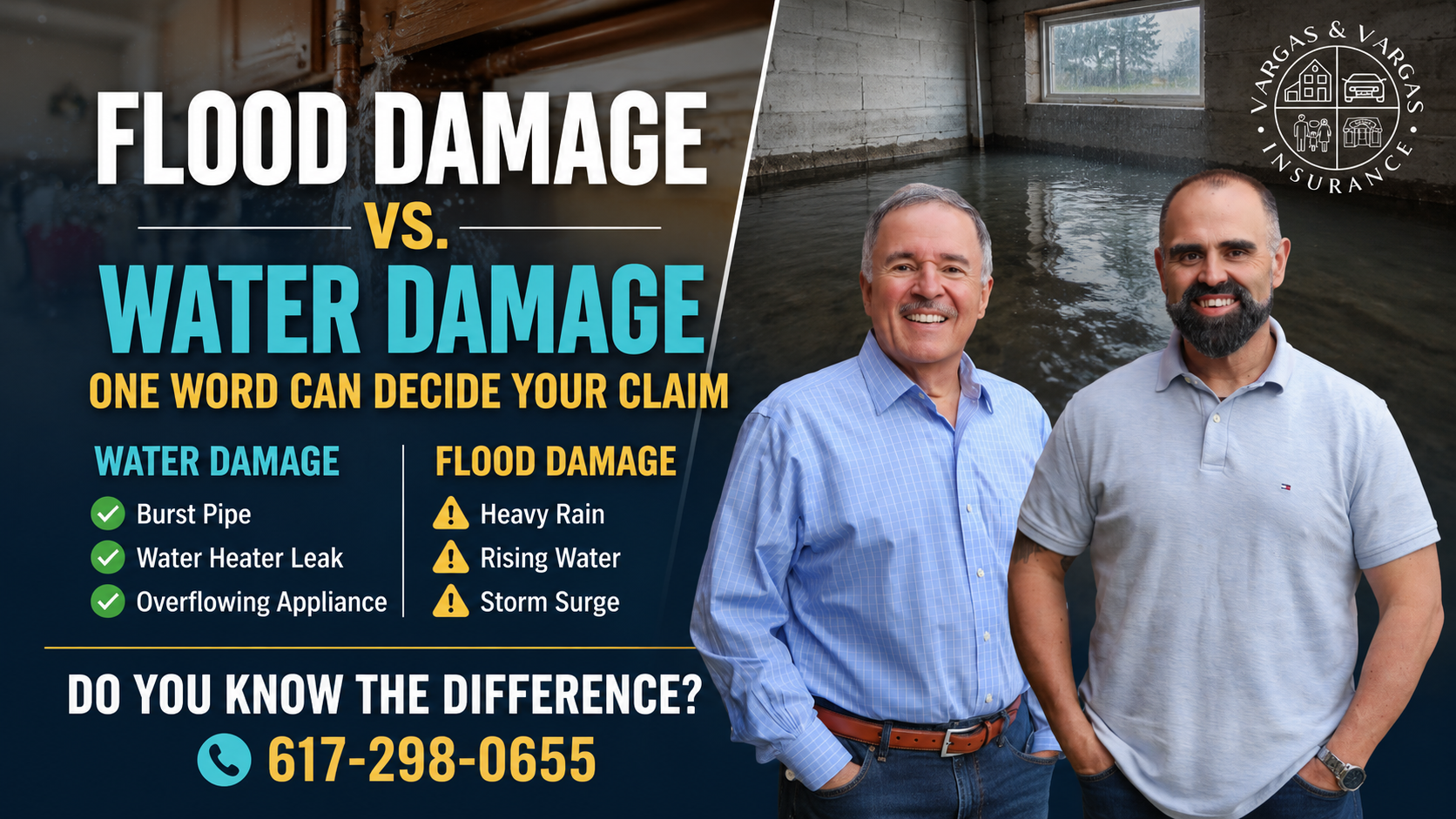
Flooding is especially important to understand because standard homeowners insurance does not
cover flood damage. If the home sits in or near a flood zone, you may need separate flood insurance through the National Flood Insurance Program (NFIP) or a private provider.
Helpful resources:
What Affects Insurance Costs?
Location plays a major role in your premium—especially in coastal towns.
Insurance companies look closely at the home’s exposure to water, storms, and elevation. Key factors include:
- Distance to the coast: Homes near beaches or waterfronts have higher risk and may require additional coverage.
- Flood zone status: Flood zones AE and VE can significantly increase premiums or require additional policies.
- Home elevation: Even a few feet of elevation can reduce flood risk—and cost.
- Age and condition of the home: Newer roofs, updated systems, and modern construction reduce risk.
- Claims history: Past flood or storm claims follow the property and may impact your rate.
Because Weymouth has a wide variety of neighborhoods—from coastal areas to more inland communities—insurance costs can vary dramatically even within a few streets.
Educational Insight: Why Flood Insurance Matters
Flooding is one of the most misunderstood risks for homebuyers—and one of the most expensive if ignored.
Even if a home is not in a mandatory flood zone, it may still be considered “moderate risk.” Many of the most costly flood claims occur outside of high‑risk zones. For this reason, buyers should:
- Review FEMA flood maps early in the process
- Consider optional flood insurance even if it isn’t required
- Check elevation certificates for waterfront or low‑lying homes
- Understand that flood damage is not covered under standard homeowners insurance
Knowing this before you buy can save you from unexpected expenses later.
5 Key Insurance Tips for Buying in Weymouth
Keep these tips in mind before making a move:
- 1. Check flood zone maps early
This will tell you whether you need separate flood insurance and help you estimate your total cost. - 2. Get a full insurance quote upfront
Coastal homes can vary widely in premium—never assume the cost. - 3. Ask about past storm damage
Wind, water, or flood claims can affect your coverage and your premium. - 4. Review elevation and location details
Elevation and proximity to water significantly impact risk—and cost. - 5. Understand what your policy covers
Standard policies do *not* include flood protection; you may need additional coverage.
Final Thoughts
Weymouth offers an excellent mix of value, convenience, and coastal living—but understanding your insurance needs is essential. By researching risks early and getting accurate quotes, you can avoid surprises and choose the right home with confidence.
If you’re considering a move to Weymouth, we can connect you with trusted real estate agents, insurance experts, and mortgage professionals who understand coastal markets and can guide you every step of the way.