
“An ounce of prevention is worth a pound of cure.” — Benjamin Franklin
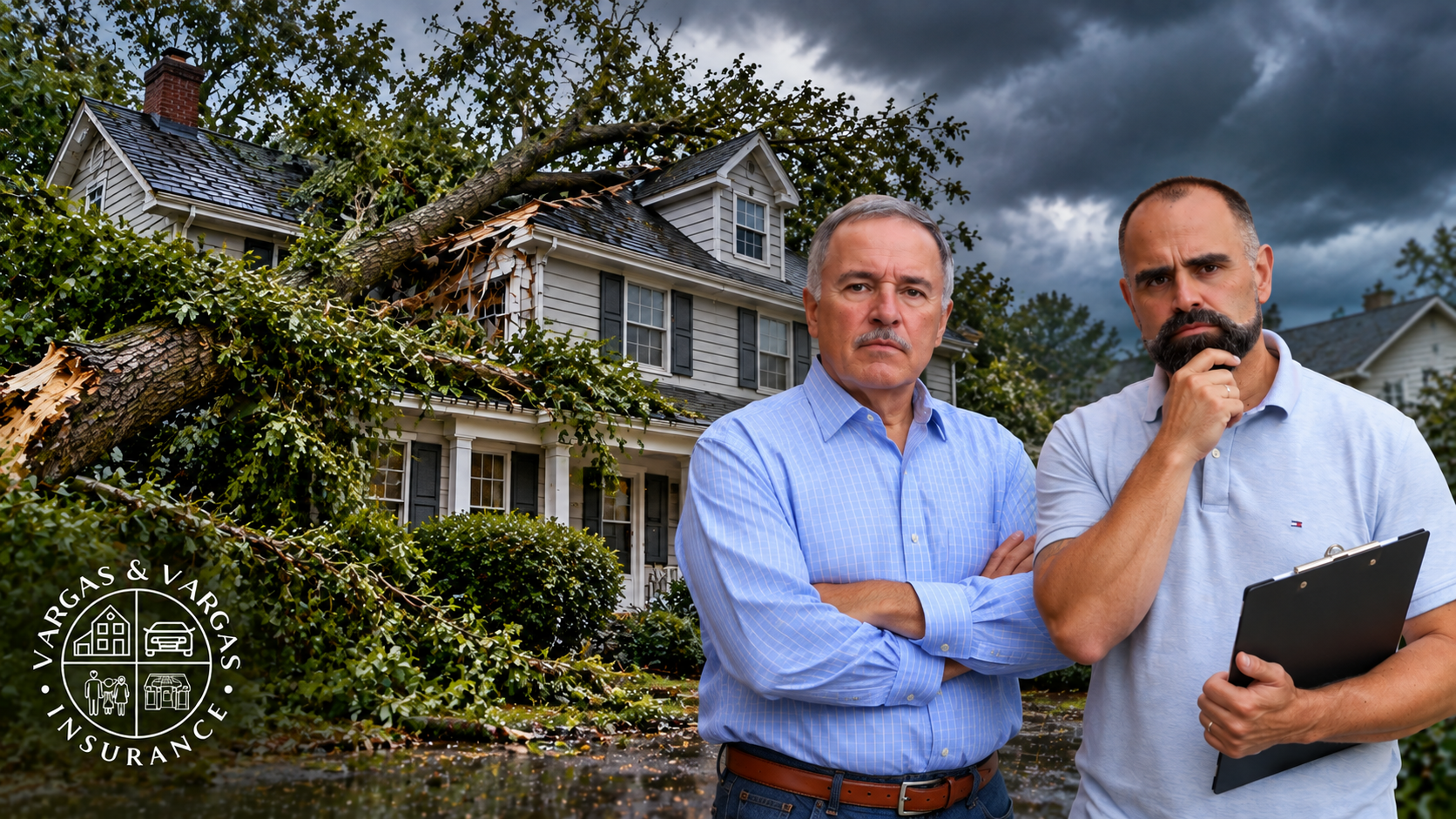
Imagine coming home after a storm and finding water on your floor. You call your insurance company, expecting coverage, only to hear something you never expected:
“Unfortunately, that’s considered flood damage, and your homeowners policy doesn’t cover floods.”
Wait. Water is water… right?
Not in the insurance world.
One word—flood—can be the difference between a covered claim and a denied claim.
What’s the Difference Between Water Damage and Flood Damage?
This is one of the most common questions we receive at Vargas & Vargas Insurance. The answer is simpler than most people expect.
Water Damage
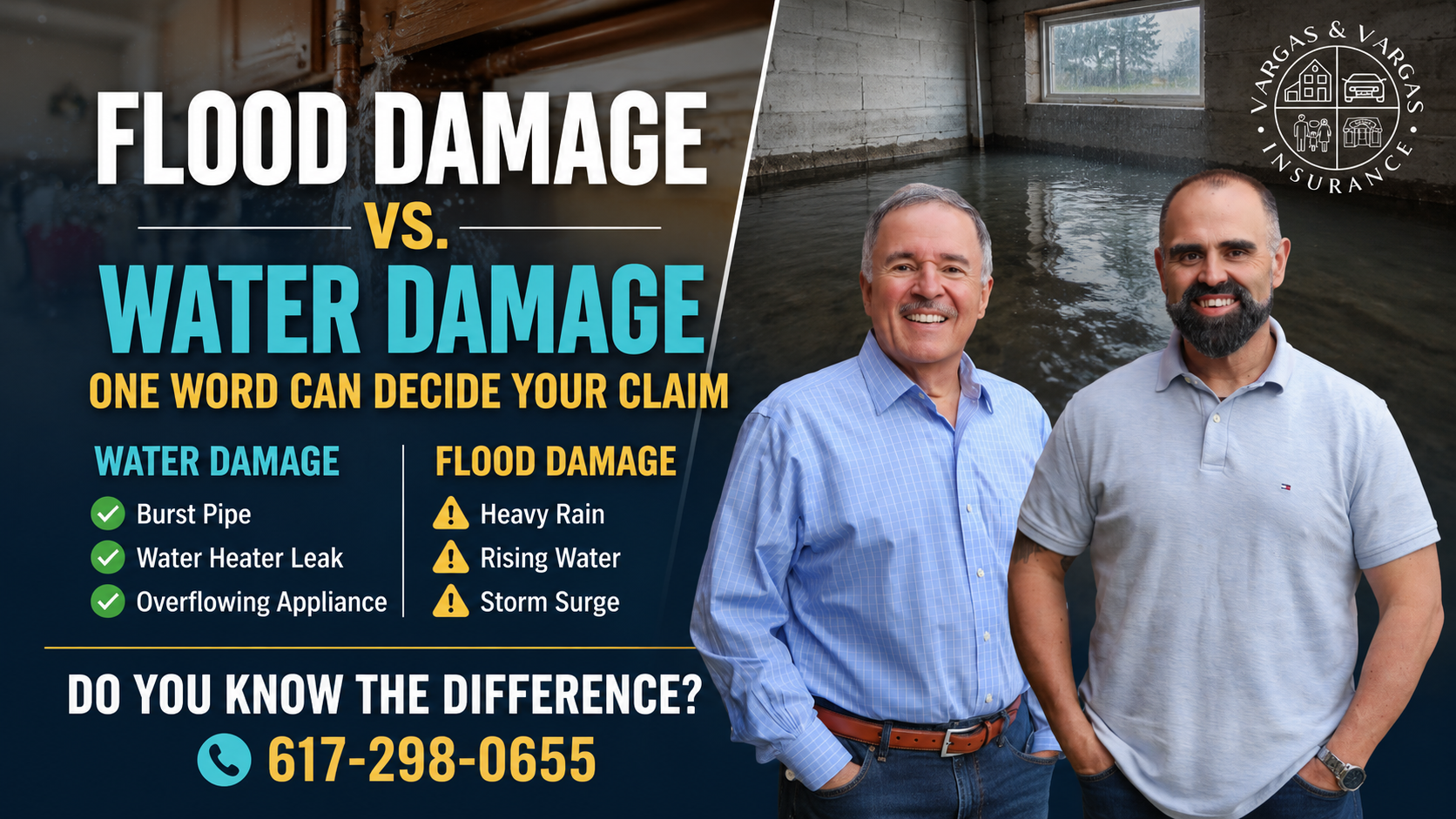
Water damage is typically sudden and accidental, originating from inside your home or from a covered source. Examples include:
- A washing machine hose bursts
- A pipe freezes and breaks
- A dishwasher leaks unexpectedly
- An upstairs bathtub overflows
- A water heater fails and floods the basement
In many cases, homeowners insurance may provide coverage—subject to the terms of your policy.
Flood Damage
Flood damage occurs when water enters your home from the ground up. Examples include:
- Heavy rain causes water to enter through doors or foundation walls
- A nearby river overflows
- Storm surge from a hurricane
- Melting snow overwhelms drainage systems
- Surface water accumulates and enters the building
Most standard homeowners policies do not
cover flood damage. That’s why flood insurance exists.
Why This Matters
Consider these real-world scenarios:
Scenario #1: Covered Water Damage
A pipe bursts behind your kitchen wall while you're at work. Water damages the cabinets, flooring, and drywall. This is typically considered sudden and accidental water damage and may be covered.
Scenario #2: Flood Damage (Not Covered)
A thunderstorm drops several inches of rain. Water pools around your foundation and enters the basement. Even though the damage looks identical, this is considered flood damage—and is excluded under most homeowners policies.
Same water. Different source. Very different outcome.
“But I Don’t Live Near the Ocean”
This is one of the biggest misconceptions we hear. Many flood claims occur far from the coast. Flooding can happen due to:
- Poor drainage
- Clogged storm drains
- Rapid snow melt
- Heavy rainstorms
- New construction changing water flow
Every year, flood losses occur in areas with low or moderate flood risk. Many homeowners only learn they needed flood insurance after the damage is done.
The Cost of Getting It Wrong
A few inches of water can cause thousands—or tens of thousands—of dollars in damage. Flooring, furniture, appliances, and personal belongings can be destroyed in minutes.
Understanding the difference between water damage and flood damage before
a loss occurs is critical.
Questions Every Homeowner Should Ask
Ask yourself:
- If water entered my home tomorrow, would I know whether it's covered?
- Do I have flood insurance?
- When was the last time I reviewed my policy?
- Has anyone explained these differences to me?
If you’re unsure, it’s time for a review.
Our Perspective
At Vargas & Vargas Insurance, most claim disputes we see don’t happen because someone intentionally avoided coverage—they happen because no one explained the difference.
Insurance policies are filled with definitions, exclusions, and technical language. Our job is to help you understand your coverage before
you need it.
The best claim is the one with no surprises.
Final Thoughts
Water damage and flood damage may sound similar, but insurance treats them very differently. One may be covered. The other likely requires a separate flood insurance policy.
That single word—flood—can determine whether your claim is paid or denied.
If you're not sure what protection you have, we’re here to help. The Vargas & Vargas Insurance team can review your coverage, explain your options, and help you prepare before the next storm arrives.
Call us at 617-298-0655 or visit VargasInsurance.com
to schedule a coverage review.
Understanding the difference today could save you thousands tomorrow.