By carlos vargas
•
November 21, 2025
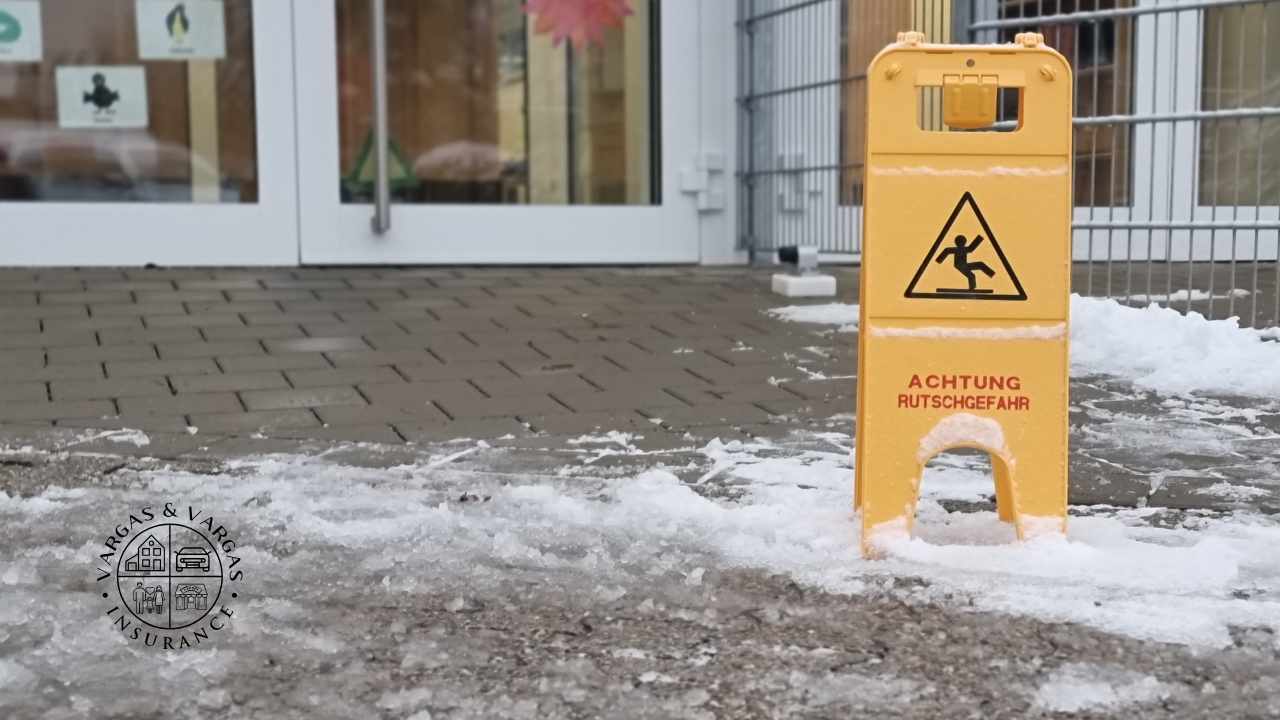
In this post, we'll guide you through what happens when someone is injured on your property, how personal liability insurance can provide protection, and the steps you should take immediately if an accident occurs. By the end, you'll understand common scenarios that trigger personal liability coverage, what's included (and not included) in a standard policy, how claims are managed, and practical tips to protect yourself both before and after an accident. Understanding Personal Liability Insurance Personal liability insurance is designed to protect you financially if you are found legally responsible for someone’s injury or damage to their property. Typically, this coverage is part of your homeowners or renters insurance policy. If an incident occurs on your property and you’re held responsible, your personal liability insurance can help cover: Medical expenses for the injured person. Legal defense costs if you’re sued. Settlement or judgment amounts awarded to the injured party. Without this coverage, you could face out-of-pocket expenses which could amount to thousands or even hundreds of thousands of dollars, depending on the situation. Common Injury Scenarios on Your Property Personal liability coverage may be applicable in situations like: A guest slipping on an icy walkway. A child falling off a swing in your backyard. A delivery driver tripping over a loose step. A neighbor’s fence being damaged by a tree falling from your yard. Accidents can happen even if precautions are taken, and unfortunately, being "careful" doesn't automatically shield you from legal or medical bills. What’s Not Covered It's crucial to understand that personal liability insurance doesn't cover everything. Most policies exclude: Injuries to you or household members. Intentional acts causing harm. Certain high-risk situations, such as injuries from business activities conducted at home (unless you have separate business liability coverage). Understanding these exclusions can prevent surprises and the frustrations often accompanying a denied claim. What Happens After an Injury on Your Property If someone is injured on your property: Get medical help immediately — the priority should be the person’s safety and well-being. Document the incident — take photos, collect witness statements, and record all details. Notify your insurance company — report the incident promptly, even if unsure whether the injured party will make a claim. Avoid admitting fault — stick to the facts when speaking with the injured person and your insurer. Once a claim is filed, your insurance company will: Investigate the incident. Determine whether your policy covers the claim. Handle negotiations, settlements, or defense in court if necessary. How to Protect Yourself Before an Accident Happens While insurance covers the unexpected, prevention is better than reaction. Reduce your risk by: Keeping walkways clear of ice, snow, and clutter. Repairing loose steps, handrails, and flooring. Properly maintaining landscaping and trees. Providing adequate lighting for entrances and pathways. Regular maintenance not only keeps your property safe but shows responsible behavior if a claim is filed. The Role of Your Insurance Broker An experienced insurance broker can help you: Review your policy to ensure adequate liability coverage limits. Clarify exclusions so you understand what's not covered. Guide you through the claims process if an injury occurs. Suggest umbrella insurance for additional liability protection beyond your standard policy limits. Having a broker means you aren't navigating these situations alone — you'll have someone familiar with your policy advocating for you. The Bottom Line Accidents can occur anywhere to anyone at any time. If someone gets hurt on your property, personal liability insurance can safeguard your finances, cover legal costs, and help manage the situation professionally. The key is understanding how your coverage works before you need it. This involves knowing your policy limits, understanding exclusions, and ensuring you have sufficient protection in place. Additional Resources: Insurance Information Institute – Understanding Liability Coverage NAIC – Consumer’s Guide to Home Insurance