

American flag | Blog | Vargas & Vargas Insurance


This is the time of year that we show our American pride by waving the American flag, hanging it on our homes, boats, bikes, buildings, and cars. It’s easy to forget, though, the proper way to handle and hang the American flag. But, did you know that there are rules for how to handle, respect, honor and dispose of Old Glory?

Here are the top ones.

Orient it correctly. The field of stars should always be at the top-left corner, whether you are hanging it horizontally or vertically. The view should always be from the outside-in, so you still have the field of stars in the top left corner if it’s horizontal or vertical. It’s important that the flag be flown higher than any other flag if there are others beside it.

Leave the light on. Traditionally the flag has flown outside from sunrise to sunset, but if illuminated properly it can be left out for 24 hours. You might try a solar light that gets dim during the day and brightens at night, or a garden spotlight to keep it illuminated throughout the evening.

Consider the weather. You do not want the flag subjected to harsh elements of rain, wind, or snow, but long as it is made of weather-resistant materials, it should be able to withstand those elements.

  “Life, liberty, the pursuit of happiness –

– whatever America means to you is symbolized by

the stars and stripes, and we should feel

a sense of pride and gratitude every time we

salute Old Glory.”

Retire the flag once it’s worn out. Traditionally, disposing of a flag is done via burning. If you don’t want to do this yourself, however, you can call the local VFW to dispose of it in a respectful way, or even in a ceremony.

Don’t let it touch the ground or anything beneath it. When flying the flag from your vehicle, you want to attach it to your antenna, or to the right side of the fender, or to your window by letting the Flagstaff hang from the right side.

The flag is not to be used for advertising or promotional purposes. For example, putting it on napkins, plates, and boxes. Anything that’s temporary or can be disposed is restricted.

No decorations of any kind. You can use decorative flag banners, for example, but the flag itself should not be used as such.

It’s important that we handle the flag with the respect, dignity, and honor that it deserves. There are extensive guidelines, per the U.S. Flag Code , that provide more information. If you’d like to be an authority on that code, go ahead and read it. In the meantime, I hope to be your insurance experts. Our team and I are always happy to provide Star – Spangled Banner service to you or anyone you know needing an insurance quote or review.

Please feel free to give us a call at 617-298-0655 or email our team at quotes@vargasinsurance.com


Carlos

By carlos vargas November 21, 2025
If someone hits your car and drives off, it’s called a hit and run . Imagine leaving the grocery store to find your bumper smashed with no note or witnesses. It’s not just the damage that’s frustrating; it’s the uncertainty about what to do next. Why Are Hit & Runs Confusing? Many drivers aren't sure what to do because we aren’t often taught how insurance works for these situations. But the more you know, the more protected you’ll be. At Vargas & Vargas Insurance , we guide drivers through hit and run claims, breaking down the process in simple terms. Key Questions Answered: What is a hit & run under Massachusetts law? What auto insurance helps in this situation? Will your premium go up? What immediate steps should you take? What Is a "Hit & Run"? A "hit and run" involves another driver damaging your car or injuring you and leaving without giving their info. It could happen in a parking lot, on the street, or even at home. Massachusetts law requires you to report it and file a claim. Coverage That Helps in a Hit & Run Your auto policy can help—if you have the right coverage. Uninsured Motorist Coverage (UM/UIM): Essential for covering injuries to you or passengers. Collision Coverage: Covers car damage but requires you to pay the deductible. Note: Massachusetts is a no-fault state , needing collision and/or UM coverage for protection. Will Your Insurance Rates Rise? It depends. If considered a not-at-fault accident, rates might not increase. However, lack of a police report or a history of claims might affect rates. Reporting it properly is crucial. What Actions Should You Take? Call the police immediately to file a report. Take photos of all damage and surroundings. Seek witnesses or security camera footage. Contact your insurance agent for advice on filing a claim. Keep all records , like police reports and photos. The Bottom Line You can't control reckless drivers, but you can control your preparedness. Here's what you need to know: Have collision and uninsured motorist coverage for protection. A police report is essential. Your agent is your best ally for making claim decisions.  If you’ve returned to your car to find damage without a note, you know the stress. Now you know the steps to take and the protections you need. At Vargas & Vargas Insurance , we’re here to make this simple and stress-free. Unsure if your policy protects you from a hit & run? Call us at 617-298-0655 . Let’s ensure you’re covered before it happens.
By carlos vargas November 21, 2025
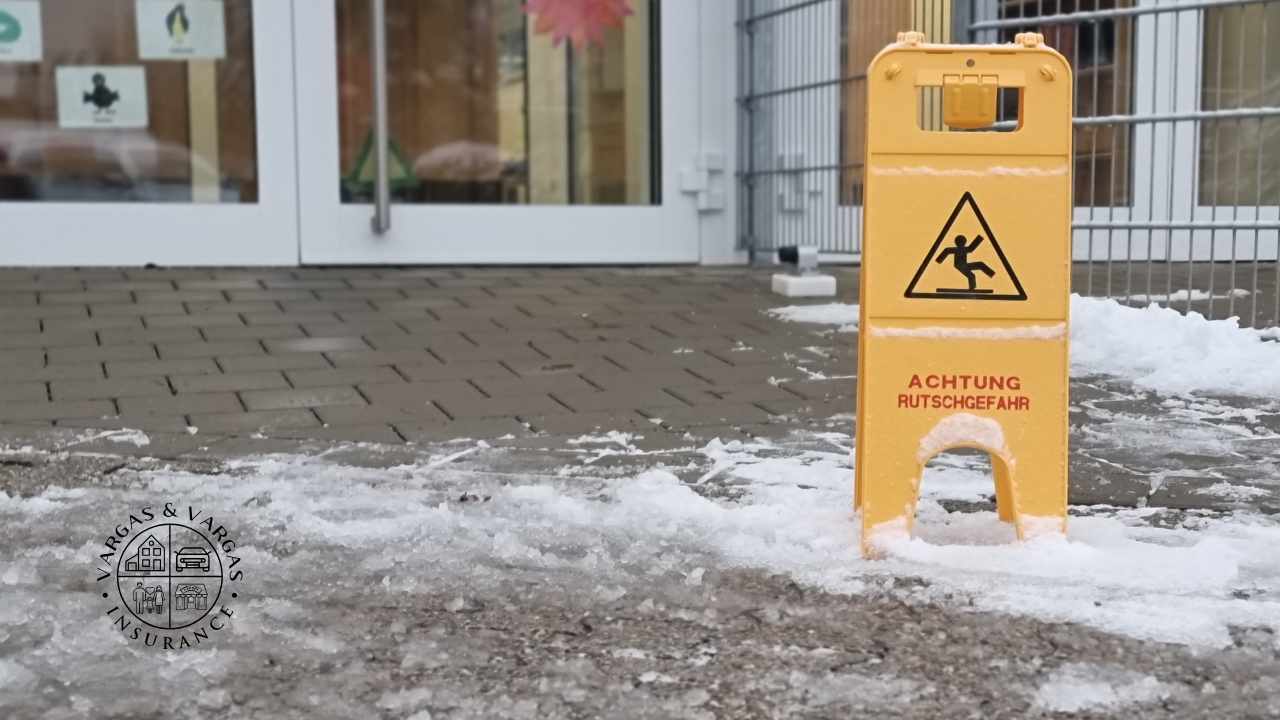
In this post, we'll guide you through what happens when someone is injured on your property, how personal liability insurance can provide protection, and the steps you should take immediately if an accident occurs. By the end, you'll understand common scenarios that trigger personal liability coverage, what's included (and not included) in a standard policy, how claims are managed, and practical tips to protect yourself both before and after an accident. Understanding Personal Liability Insurance Personal liability insurance is designed to protect you financially if you are found legally responsible for someone’s injury or damage to their property. Typically, this coverage is part of your homeowners or renters insurance policy. If an incident occurs on your property and you’re held responsible, your personal liability insurance can help cover: Medical expenses for the injured person. Legal defense costs if you’re sued. Settlement or judgment amounts awarded to the injured party. Without this coverage, you could face out-of-pocket expenses which could amount to thousands or even hundreds of thousands of dollars, depending on the situation. Common Injury Scenarios on Your Property Personal liability coverage may be applicable in situations like: A guest slipping on an icy walkway. A child falling off a swing in your backyard. A delivery driver tripping over a loose step. A neighbor’s fence being damaged by a tree falling from your yard.  Accidents can happen even if precautions are taken, and unfortunately, being "careful" doesn't automatically shield you from legal or medical bills. What’s Not Covered It's crucial to understand that personal liability insurance doesn't cover everything. Most policies exclude: Injuries to you or household members. Intentional acts causing harm. Certain high-risk situations, such as injuries from business activities conducted at home (unless you have separate business liability coverage). Understanding these exclusions can prevent surprises and the frustrations often accompanying a denied claim. What Happens After an Injury on Your Property If someone is injured on your property: Get medical help immediately — the priority should be the person’s safety and well-being. Document the incident — take photos, collect witness statements, and record all details. Notify your insurance company — report the incident promptly, even if unsure whether the injured party will make a claim. Avoid admitting fault — stick to the facts when speaking with the injured person and your insurer. Once a claim is filed, your insurance company will: Investigate the incident. Determine whether your policy covers the claim. Handle negotiations, settlements, or defense in court if necessary. How to Protect Yourself Before an Accident Happens While insurance covers the unexpected, prevention is better than reaction. Reduce your risk by: Keeping walkways clear of ice, snow, and clutter. Repairing loose steps, handrails, and flooring. Properly maintaining landscaping and trees. Providing adequate lighting for entrances and pathways. Regular maintenance not only keeps your property safe but shows responsible behavior if a claim is filed. The Role of Your Insurance Broker An experienced insurance broker can help you: Review your policy to ensure adequate liability coverage limits. Clarify exclusions so you understand what's not covered. Guide you through the claims process if an injury occurs. Suggest umbrella insurance for additional liability protection beyond your standard policy limits. Having a broker means you aren't navigating these situations alone — you'll have someone familiar with your policy advocating for you. The Bottom Line Accidents can occur anywhere to anyone at any time. If someone gets hurt on your property, personal liability insurance can safeguard your finances, cover legal costs, and help manage the situation professionally. The key is understanding how your coverage works before you need it. This involves knowing your policy limits, understanding exclusions, and ensuring you have sufficient protection in place. Additional Resources: Insurance Information Institute – Understanding Liability Coverage NAIC – Consumer’s Guide to Home Insurance